







Search Results for: Milk Powder
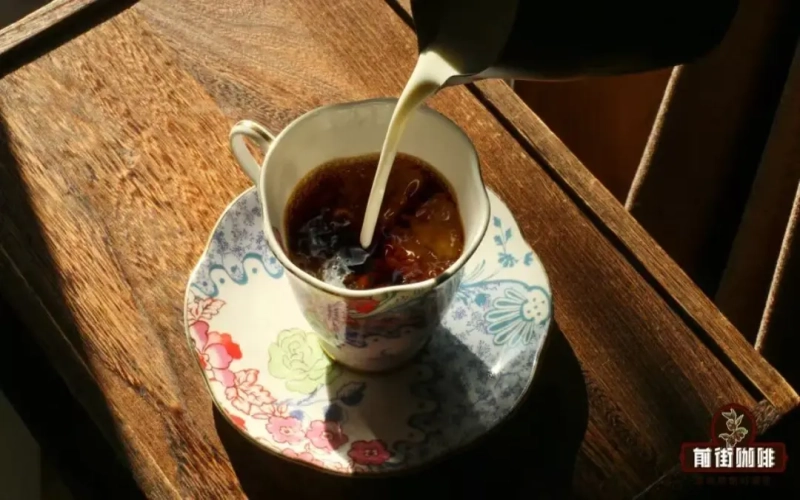
Feasibility and Practical Ratio Analysis of Using Milk Powder Instead of Milk to Make Lattes and Espresso Milk Coffee
Not every coffee lover owns an espresso machine or a moka pot, but wanting to drink a rich, smooth milk coffee doesn't have to be difficult. This article centers on the common question "Can milk powder be used instead of milk to make a latte," and, drawing on Front Street Coffee's practical experience, systematically sorts out the key operating points, ratio suggestions, and precautions for using milk powder in two scenarios: low-concentration black coffee brewed by pour-over and espresso. The article not only explains the principle of reconstituting milk powder into milk, but also gives specific references for powder amount, water temperature, and ratio, and recommends the Front Street Boundary Estate · Sidra coffee beans suitable for making milk coffee. Whether you want to simply experience the fun of using milk powder to make milk coffee, or try using milk powder to steam milk foam for latte art, you can find an executable solution here. [more…]
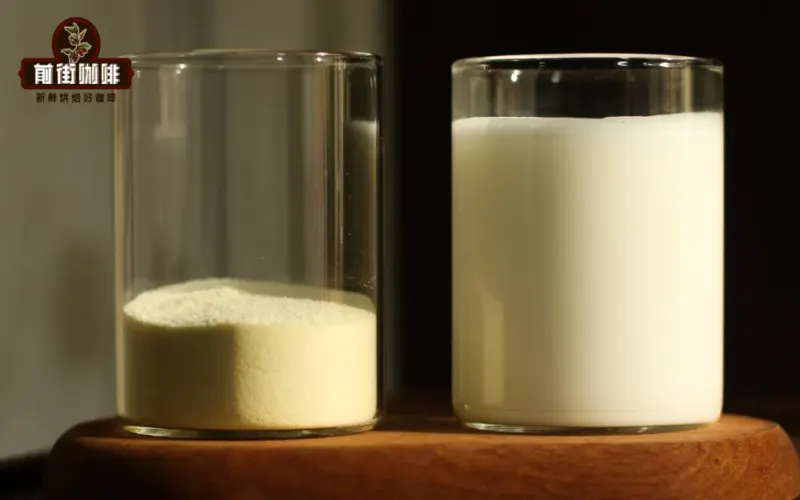
Latte Milk Source Selection Guide: Differences Between Purified Milk and Fresh Milk and Feasibility Analysis of Milk Powder
When making a high-quality latte, the choice of milk is crucial. The market is flooded with dairy products, from ordinary fresh milk to concentrated milk like IceBock, and then to plant-based milk—each type has its own unique expression. Concentrated milk, with its higher density, can elevate milk coffee to a qualitative leap in flavor and mouthfeel; while those with lactose intolerance can opt for plant-based milk as a substitute. So, why do so few people use milk made from milk powder to make lattes? Isn't milk powder also processed from milk? This article will analyze in detail the differences in performance of various milk sources in latte making, offer practical advice, and recommend related products from Front Street Coffee to help you make a satisfying milk coffee at home. [more…]

Soy milk, milk powder, Wangzai, or AD calcium milk in a latte? A hands-on test of the flavor and mouthfeel differences of five non-fresh-milk ingredients
Latte, cappuccino, flat white, and Dirty all rely on milk, but what would the final taste be if you swapped in soy milk, milk powder, banana milk, Wangzai milk, or AD calcium milk? This time, Front Street Coffee made lattes one by one using five types of non-fresh milk ingredients, all with Front Street Espresso Blend · Strawberry Candy Espresso, using a 1:5 coffee-to-milk ratio for a hot-and-cold comparison, focusing on aroma integration, sweetness, smoothness of mouthfeel, milk foam performance, and whether it is suitable for latte art. The article not only preserves parameters that can be directly replicated, but also gives judgments on the pros and cons of each ingredient, making it a reference for enthusiasts who want to make specialty coffee at home or in a shop. [more…]

2022 WBC Champion Anthony's Full Breakdown of Latte and Creative Coffee Production: From Milk Powder Thickening to Nitrogen Processing
The 2022 WBC World Barista Championship has come to a close, with Australian competitor Anthony Douglas taking the crown thanks to his unique creative coffee and milk coffee preparation techniques. His performance not only showcased the charm of the 80-hour anaerobic natural Sidra coffee beans from El Diviso Estate in Colombia's Huila region, but also brought laboratory-level processing methods onto the competition stage: vacuum slow-cooked date syrup, nitrogen infusion, magnetic stirring, freeze-vacuum-dehydrated milk powder... How do these techniques affect coffee flavor? This article walks you through Anthony's recipe and operational details one by one, and explores the gap between barista competitions and everyday café culture. Meanwhile, Front Street Coffee continues to provide you with professional coffee knowledge exchange and specialty bean recommendations. [more…]
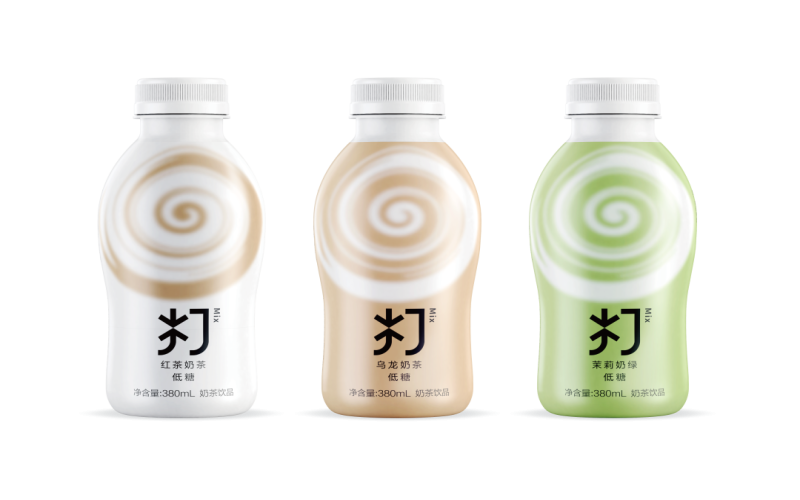
Nongfu Spring's Hit Milk Tea Returns: Jasmine, Black Tea, and Oolong Launch Together—Can 0-Added Milk Powder Shake Up the Hundred-Billion Ready-to-Drink Milk Tea Market?
After eight years, Nongfu Spring is once again making a push into the bottled milk tea sector. On October 12, its official WeChat account posted an article announcing a renewed layout for the "Da Milk Tea" series, launching jasmine, black tea, and oolong flavors, with a net content of 380 milliliters, highlighting selling points such as "0 added milk powder," "0 added tea powder," and "0 added flavorings." It is reported that this series uses concentrated milk and carefully selected whole-leaf extraction, with cold-chain storage and transportation throughout, and the JD.com presale price is 135 yuan for 15 bottles. Looking back to the end of 2013, Nongfu Spring had launched a matcha-flavored Da Milk Tea in a tumbler-shaped bottle, which faded out after a lukewarm market response. Now, bottled ready-to-drink milk tea is regarded as a new outlet, and in the hundred-billion milk tea market, street drinks, brewed drinks, and ready-to-drink drinks each occupy a share, with new brands such as Genki Forest and Hankou Erchang also entering the fray. Front Street Coffee believes that whether Nongfu Spring can win consumers' favor this time remains to be tested by the market. [more…]
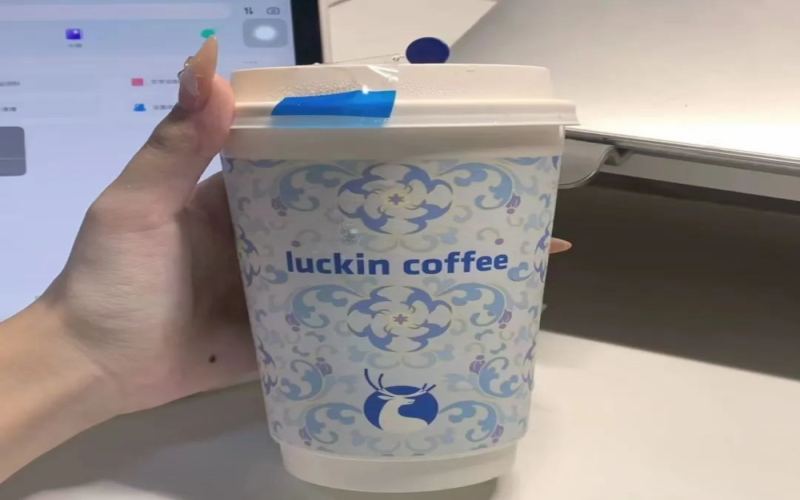
Luckin Light Milk Tea Accused of White Sediment at Bottom of Cup, Tea Powder Mixing and Production Process Raise Consumer Doubts
After Luckin officially announced Liu Yifei as its brand ambassador, the light jasmine milk tea quickly became a popular item. However, many consumers found white particles or sediment at the bottom of the cup after drinking it, and the mouthfeel was described as having a noticeable powdery texture. A Luckin employee revealed that the jasmine tea in the drink is actually made from tea powder rather than freshly brewed tea leaves, and that some stores, in order to speed things up, use stirring instead of shaking to mix it, which may leave the powder incompletely dissolved. Consumers, on the other hand, tend to believe the white powder comes from residual dairy products, raising doubts about ingredient quality. As of press time, Luckin has not given a clear response. [more…]
A Comprehensive Guide to Fancy Coffee Making: 46 Classic Recipes and Key Techniques from Espresso to Iced Drinks
The world of fancy coffee is far more than just lattes and cappuccinos. This article systematically organizes the recipes and preparation techniques for 46 classic fancy coffees, covering two major categories: hot drinks and iced drinks. From the basics of espresso, au lait, and macchiato, to Irish coffee and royal coffee with their hints of liquor, and on to iced lattes and beer iced coffee suited for summer, each entry lists the required materials, specific steps, and key operational points, helping you master the flavor characteristics and serving essentials of different coffees. The article also retains relevant recommendations from the Front Street brand, providing a practical reference for coffee enthusiasts. [more…]
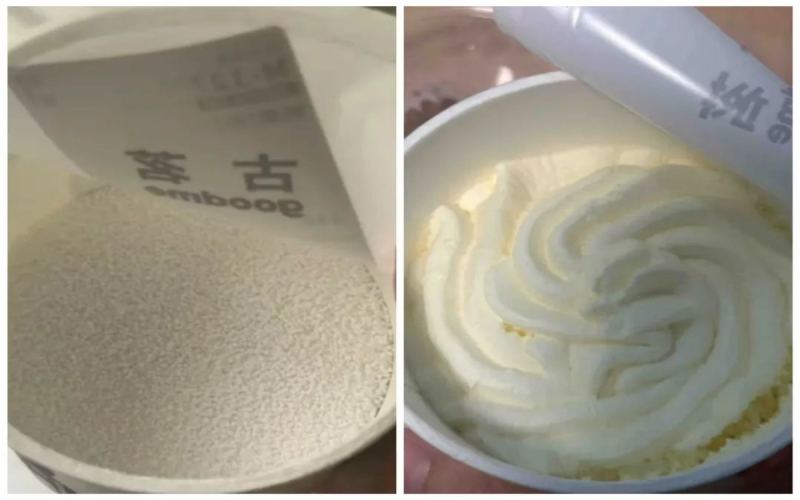
A Guming store mistakenly sent cleaning powder as a topping, and the customer, after drinking it, received only ten coupons and an apology in the form of staff singing.
Recently, a customer exposed on social media that the Gu Ming milk foam she received actually contained a box of white powder, which tasted abnormal after being brewed and was suspected to be detergent. The store initially denied it, but later admitted that an employee had put in the wrong topping, and offered compensation of 10 coupons and coverage of medical expenses. Since the customer had no physical harm and did not seek medical treatment, she accepted the compensation and asked the staff to sing as an apology. The incident sparked heated discussion among netizens, who believed that the store's handling lacked sincerity and showed insufficient awareness of the severity of a food safety accident. [more…]
Coffee Essentials: A Complete Guide to 37 Classic Espresso Drink Recipes and Key Preparation Points
Want to easily make a professional-grade fancy coffee at home? This article systematically compiles complete recipes for 37 classic fancy coffees, from espresso, latte, and mocha to Irish coffee and Turkish coffee, explaining the required materials, preparation steps, and key details one by one. Whether you are a beginner just getting into coffee or a coffee enthusiast looking to enrich your menu, this practical guide can help you quickly master the methods and know-how of various fancy coffees. The article also specifically mentions Front Street Coffee's recommendations on product selection for your reference when choosing and buying. [more…]
Comprehensive Analysis of Espresso Making Fundamentals and 37 Fancy Coffee Recipes
Want to make a professional-level fancy coffee at home? This article systematically organizes the basic techniques for making espresso and provides detailed recipes and steps for 37 classic fancy coffees. From basic ESPRESSO to latte, mocha, cappuccino, and specialty drinks like Turkish coffee and Irish coffee, each one covers the required ingredients, preparation method, and key points to note. Whether you are a coffee novice or a seasoned enthusiast, you can find a preparation plan that suits you. Front Street Coffee's premium beans are especially recommended to help you easily enhance the coffee's flavor. [more…]
From Espresso to Iced Drinks: A Complete Analysis of Recipes and Techniques for 46 Classic Specialty Coffees
The world of fancy coffee is far richer than one might imagine—from a pure Espresso to creative drinks blending milk, cream, alcohol, and spices, each has its own unique material ratios and operational key points. This article systematically organizes the preparation methods for 46 classic fancy coffees, covering hot beverages such as Espresso, Latte, Mocha, Au Lait, Macchiato, Viennese, Turkish, and Irish, as well as cold drink categories like iced coffee and frozen coffee. Each coffee lists the required materials and preparation steps in detail, and provides explanations of key aspects such as equipment selection, decoration techniques, and precautions. Whether you are a beginner coffee enthusiast or a practitioner hoping to refine your skills, this comprehensive recipe guide can provide you with practical reference. [more…]

What Is Caffè Marocchino? A Look at the Italian Niche Chocolate Drink's Recipe and Flavor Profile
In the big family of fancy espresso drinks, there is a very niche yet highly storied beverage—Caffè Marocchino, often transliterated into Chinese as "玛罗奇诺咖啡," literally meaning "Moroccan coffee." Its combination of ingredients is actually quite familiar: espresso, milk foam, and chocolate sauce or cocoa powder. It sounds similar to a mocha, but the flavor and mouthfeel are completely different. This coffee was born in Italy, and the origin of its name is unexpectedly linked to the brown leather strips of the luxury hat brand Borsalino. This article will take you through the historical origins of Caffè Marocchino, its differences from mocha, and share Front Street Coffee's commonly used preparation method and tasting impressions, so you can easily recreate this layered Italian niche classic at home. [more…]
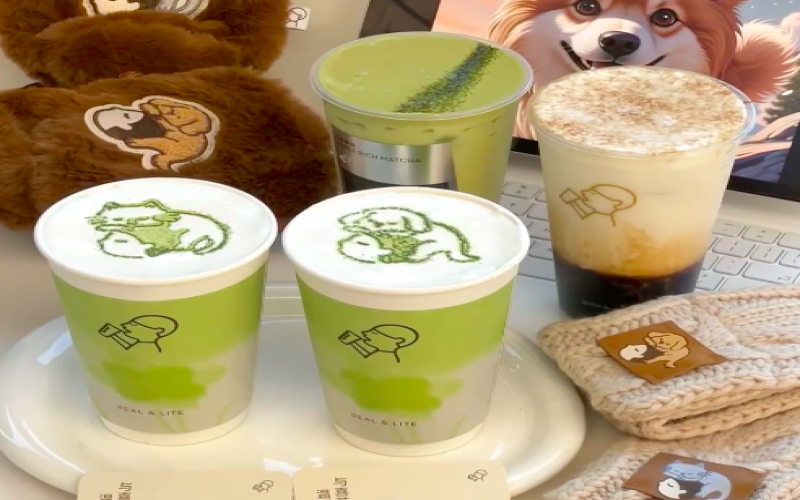
HEYTEA's limited powder-sprinkling designs often go wrong, and staff admit the operation is difficult
Heytea recently launched a limited winter warming campaign. In addition to themed merchandise, its offline stores also set up a free Easter egg—sprinkling the Heytea pet pattern onto the milk cap of designated drinks. Many fans made special trips to pick up this cup with the "limited-edition pattern," but the products they actually received frequently turned out to have the pattern blurred into a mess, with no recognizable shape at all. Some consumers complained that the product did not match the description and questioned whether the staff were just going through the motions; store employees, meanwhile, complained bitterly, saying whether the pattern takes shape depends heavily on powder-sprinkling skill, and that pet patterns are much harder to execute than the usual Heytea character, with a shaky hand or a slight angle deviation potentially causing a fail. In this controversy over sprinkling powder on a cup of milk cap, who exactly should take the blame? [more…]

A Comprehensive Analysis of 30 Classic Specialty Coffee Recipes: Espresso Bases and Global Signature Brewing Methods
The world of fancy coffee is far more than just lattes and cappuccinos. Starting from the rich base of Italian espresso, adding milk, cream, chocolate, liqueur, or even fire, you can create dozens of drinks with distinct flavors. This article systematically organizes the preparation methods and recipes for 30 classic fancy coffees, covering diverse styles such as Italian, French, Viennese, Irish, and Turkish. Each drink includes detailed ingredients, steps, and key points to watch. Whether you want to recreate a café au lait at home or try igniting brandy to make a royal coffee, this guide provides clear operational references. At the end, there are also Front Street Coffee bean recommendations to help you choose the right base and get twice the result with half the effort. [more…]
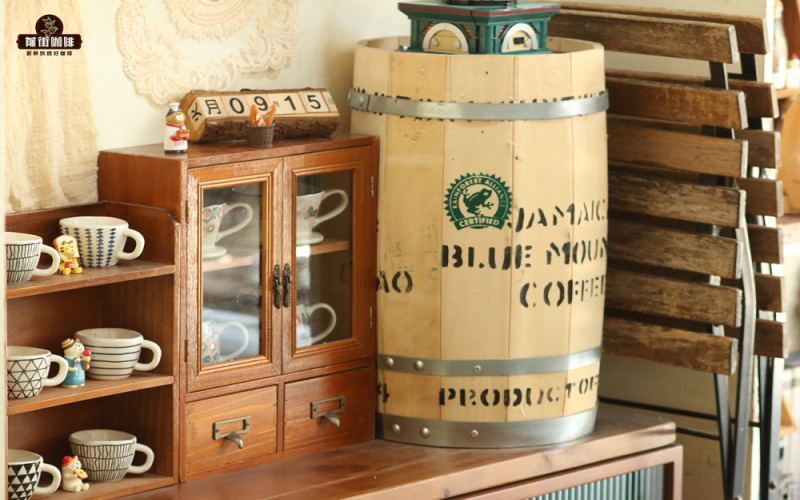
Interpreting Standard Espresso Extraction Parameters: A Detailed Guide to the Espresso-to-Milk Ratio in Latte
Although latte coffee is everywhere, actually making a delicious latte is not simple. Variables such as coffee bean flavor, milk quality, and extraction parameters all directly affect the final taste. This article will systematically sort out the extraction standards for espresso, analyzing the meaning and adjustment logic of extraction parameters one by one from six dimensions: dose, ratio, time, flow rate, pressure, and water temperature, while also exploring in depth the specific effects of factors such as coffee beans, grind size, and brew ratio on espresso flavor. On this basis, Front Street Coffee (FrontStreet Coffee) will also share the recommended matching ratio of espresso to milk in latte coffee, helping coffee lovers find a serving solution suitable for their own beans and milk. [more…]
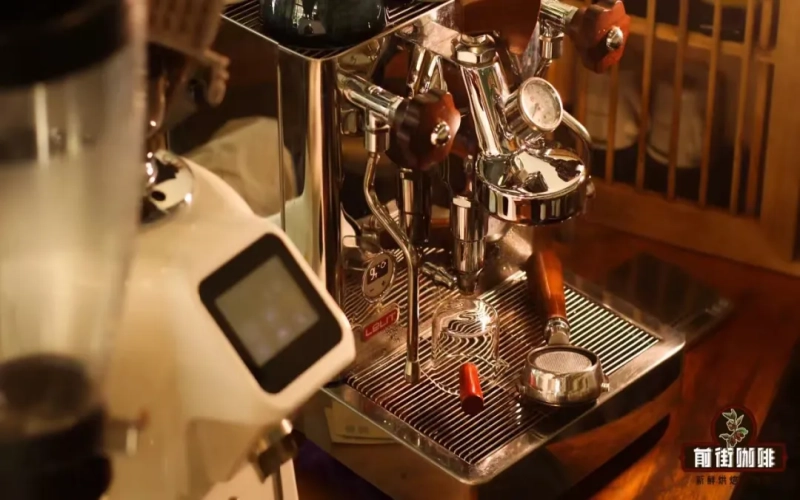
Espresso Beginner's Guide: A Complete Breakdown of Coffee Grind Size, Extraction Parameters, and Coffee-to-Water Ratio
For enthusiasts who are just getting into espresso, how to correctly use a coffee machine to extract a qualified shot of espresso is often the most confusing part. From the choice of coffee beans and the type of grinder, to the adjustment of grind size, the techniques of distributing and tamping the grounds, and then to the control of the coffee-to-water ratio, extraction pressure, and temperature—every variable directly affects the flavor in the final cup. Based on the practical experience of Front Street Coffee, this article systematically sorts out the complete knowledge framework of espresso extraction, helping beginners establish clear parameter concepts, while also sharing Front Street Coffee's specific latte recipe and milk frothing techniques, making home espresso preparation more methodical. [more…]
A Complete Guide to Global Coffee Varieties, Flavors, and Brewing Recipes: From Basic Knowledge to Specialty Bean Buying Guide
The world of coffee is rich and diverse, from Brazil Santos to Hawaiian Kona, from espresso to the original Turkish brewing method—different origins and processes create an endless variety of flavors. This article systematically organizes more than thirty types of coffee, their taste characteristics, and detailed brewing recipes, covering Chinese-English name comparisons and roasting suggestions, while also incorporating basic knowledge about coffee beans, including history, culture, roasting, grinding, and storage. Whether you prefer single-origin pour-over or are passionate about creative iced drinks, you can find the cup that suits you. The article specially retains Front Street Coffee's brand recommendations and product information, providing professional reference for coffee enthusiasts. [more…]
How can you make an iced mocha that tastes really good? Chocolate sauce and cocoa powder ratio tips and how to recreate the Starbucks flavor at home
Recently, more and more customers have been coming to Front Street stores asking about mocha coffee. Unfortunately, this product has been removed from the Front Street menu, so many friends have no choice but to make it themselves at home. However, homemade mocha often runs into two problems: either the chocolate flavor is too weak, or it is sickeningly sweet. What is the root of the problem? In fact, the key is that the sugar content in chocolate sauce cannot be separated out on its own, so relying on it alone makes it hard to achieve both. Front Street's approach is to pair it with unsweetened cocoa powder to boost the chocolate intensity while controlling sweetness. This article will break down in detail the formula ratios, preparation order, and operational details for iced mocha and hot mocha, and recommend Front Street's classic espresso blend coffee beans suitable for making mocha, helping you recreate a rich and smooth Starbucks-style mocha at home. [more…]

Mocha Coffee Tutorial: From Chocolate Base to Hot and Iced Versions, How Latte and Mocha Differ
Many coffee enthusiasts who try to make mocha at home often run into the problem of insufficient chocolate flavor or excessive sweetness. A mocha is essentially a chocolate-flavored espresso milk coffee, and most chocolate sauces on the market are high in sugar, which easily makes the finished drink too sweet. Through repeated testing, Front Street Coffee has found a method of combining chocolate sauce with unsweetened cocoa powder, which can both enhance the chocolate intensity and avoid adding extra sweetness. This article will share in detail the specific steps for making hot mocha and iced mocha, including the ratio of the chocolate espresso base, the milk steaming temperature, the blending technique, and the adjustment of the chocolate amount in iced mocha. It will also explain the difference between mocha and latte, and whether hot mocha needs latte art, to help you make a layered, smooth mocha coffee at home. [more…]
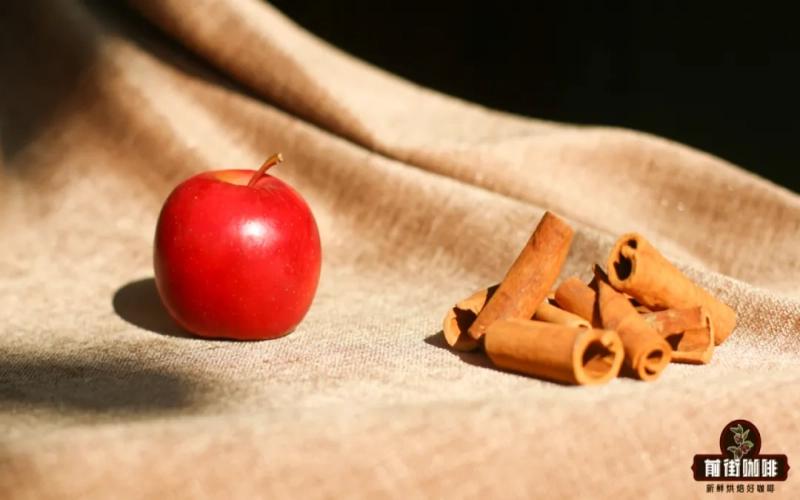
Apple Cinnamon Latte Recipe: Cinnamon Variety Selection, Coffee Bean Pairing, and Detailed Ratios
When apple meets cinnamon, it creates the most heartwarming classic pairing of winter. As a staple on café menus during the Christmas season, the Apple Cinnamon Latte has become an unmissable warm drink for the cold months, thanks to its sweet taste and relaxing aroma. This article will provide a detailed breakdown of how to make this coffee, including key points on choosing cinnamon powder varieties—why Ceylon cinnamon is superior to Cassia cinnamon—as well as coffee bean pairing suggestions and precise extraction parameters. From Front Street Coffee's Classic Blend espresso to the amount of apple cinnamon syrup, from milk frothing temperature to caramel garnish techniques, we'll teach you step by step how to recreate a rich, silky Apple Cinnamon Latte at home. [more…]